

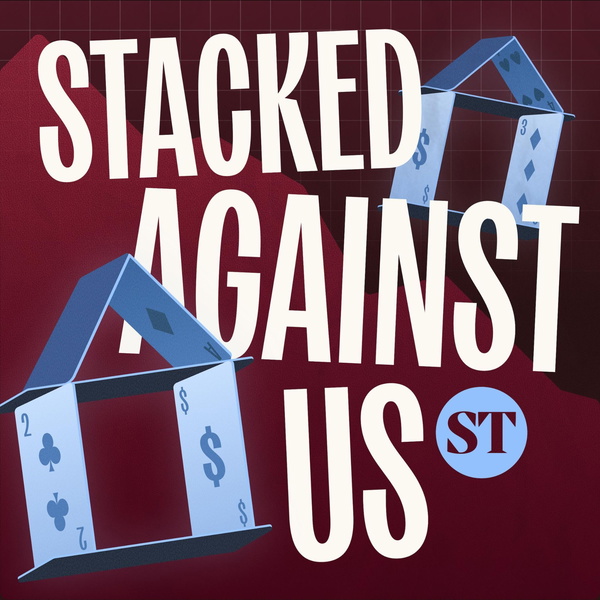
Stacked Against Us
Strong TownsThe 2008 financial crisis did more than rattle Wall Street—it reshaped our neighborhoods. Homes that once built security for families became speculative investments. Over ten years later, that tension has only sharpened. This series explores how we got here and what it will take to put control back in local hands—because the question isn’t whether the void will be filled, but by whom. Learn more a... more
| Publishes | Twice monthly | Episodes | 6 | Founded | 3 months ago |
|---|---|---|---|---|---|
| Number of Listeners | Category | Society & Culture | |||
Listen to this Podcast


Latest Episodes
South Bend spent decades defined by what it lost: a factory, a workforce, a future. But instead of trying to resurrect a past that wasn’t coming back, it chose incremental, local repair. This episode explores how a city long in decline wrote a new st... more
How can communities rebuild stability in a system designed for speculation? This episode highlights bottom-up efforts where neighbors, small developers, and local leaders are charting a different path.
Show notes:
• Strong Towns: When one extra uni... more
A new wave of investors is targeting struggling cities, betting they can profit regardless of local conditions. This episode explores how financial incentives keep the model alive—and what that means for communities trying to resist. Continue to lear... more
After the 2008 crash, federal policies fueled the financialization of housing, transforming it from shelter into an investment vehicle. The result: a new breed of landlords and investors moving into markets once dominated by local ownership. Continue... more
Key Facts




Similar Podcasts
People also subscribe to these shows.


Reviews
- Learned so much; excited for what comes next
I’ve been looking forward to a show like this for a while. As someone who has dabbled in tech-adjacent fields, this podcast reveals yet another way in which the move-fast-and-break-things model does not work, especially for something as critical as housing. Can’t wait for the next episode!
Apple Podcasts5Ce C. United States3 months ago
 - I don’t listen to podcasts
Just not a podcast person - but I will continue to listen to this one.
Apple Podcasts5anickformyneckUnited States3 months ago

Top Society & Culture Podcasts


Audience Metrics
Listeners, social reach, demographics and more for this podcast.
| Listeners per Episode | Gender Skew | Location | |||
|---|---|---|---|---|---|
| Interests | Professions | Age Range | |||
| Household Income | Social Media Reach | ||||
Frequently Asked Questions About Stacked Against Us
Where can I find podcast stats for Stacked Against Us?
Rephonic provides a wide range of podcast stats for Stacked Against Us. We scanned the web and collated all of the information that we could find in our comprehensive podcast database. See how many people listen to Stacked Against Us and access YouTube viewership numbers, download stats, audience demographics, chart rankings, ratings, reviews and more.
How many listeners does Stacked Against Us get?
Rephonic provides a full set of podcast information for three million podcasts, including the number of listeners. View further listenership figures for Stacked Against Us, including podcast download numbers and subscriber numbers, so you can make better decisions about which podcasts to sponsor or be a guest on. You will need to upgrade your account to access this premium data.
What are the audience demographics for Stacked Against Us?
Rephonic provides comprehensive predictive audience data for Stacked Against Us, including gender skew, age, country, political leaning, income, professions, education level, and interests. You can access these listener demographics by upgrading your account.
How many subscribers and views does Stacked Against Us have?
To see how many followers or subscribers Stacked Against Us has on Spotify and other platforms such as Castbox and Podcast Addict, simply upgrade your account. You'll also find viewership figures for their YouTube channel if they have one.
Which podcasts are similar to Stacked Against Us?
These podcasts share a similar audience with Stacked Against Us:
1. The Strong Towns Podcast
2. Upzoned
3. The Bottom-Up Revolution
4. The War on Cars
5. The Messy City Podcast
How many episodes of Stacked Against Us are there?
Stacked Against Us launched 3 months ago and published 6 episodes to date. You can find more information about this podcast including rankings, audience demographics and engagement in our podcast database.
How do I contact Stacked Against Us?
Our systems regularly scour the web to find email addresses and social media links for this podcast. We scanned the web and collated all of the contact information that we could find in our podcast database. But in the unlikely event that you can't find what you're looking for, our concierge service lets you request our research team to source better contacts for you.
Where can I see ratings and reviews for Stacked Against Us?
Rephonic pulls ratings and reviews for Stacked Against Us from multiple sources, including Spotify, Apple Podcasts, Castbox, and Podcast Addict.
View all the reviews in one place instead of visiting each platform individually and use this information to decide if a show is worth pitching or not.
How do I access podcast episode transcripts for Stacked Against Us?
Rephonic provides full transcripts for episodes of Stacked Against Us. Search within each transcript for your keywords, whether they be topics, brands or people, and figure out if it's worth pitching as a guest or sponsor. You can even set-up alerts to get notified when your keywords are mentioned.