

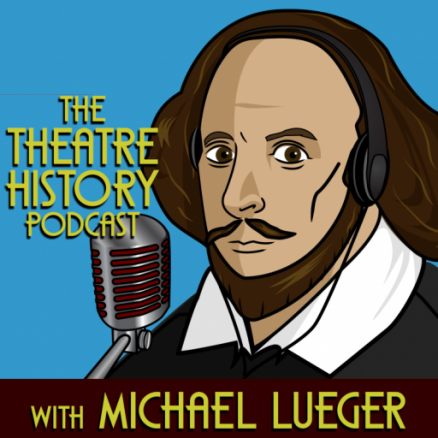
The Theatre History Podcast
Michael LuegerPerformance is an ephemeral thing, so how do we rediscover its history, and what can that teach us about theatre today? The Theatre History Podcast explores these questions through interviews with scholars and artists who are studying theatre's past in order to help shape its future.
| Publishes | Twice monthly | Episodes | 107 | Founded | 7 years ago |
|---|---|---|---|---|---|
| Number of Listeners | Categories | Performing ArtsArts | |||
Listen to this Podcast


Latest Episodes
There wasn't a lot that was funny about the Great Depression. With millions out of work and geopolitical turmoil threatening overseas, it might seem like the 1930s were a grim time. But there was still quite a lot of comedy, including in the plays pu... more
Lin-Manuel Miranda has become the most prominent figure of American musical theatre over the past decade. Dr. Daniel Pollack-Pelzner joins us to talk about his book, Lin-Manuel Miranda: The Education of an Artist, and how Miranda's been influenced by... more
Zelda Fichandler was one of the founders of the repertory theatre movement in the United States. Her tireless advocacy for the cause of nonprofit theatre led to a substantial volume of writing, much of which has now been edited by Todd London and pub... more
If you know the name of any theatre from Shakespeare's time, it's probably the Globe. But it's another theatre from that era – the Red Bull - that's the namesake for one of today's preeminent producers of early modern English drama in the United Stat... more
Key Facts




Similar Podcasts
People also subscribe to these shows.


Recent Guests
Host
Reviews
- Great history!
So far the content is great. This is the kind of history I love. I can use this info during my camps. Your guests say uh and um far too many times. One episode was so bad I couldn’t listen. So much for knowing how to speak.
Apple Podcasts2shoeseller65 United States4 years ago
 - Great Show!
Mike hosts fascinating conversations and learned history of theatre!
Apple Podcasts5Ncholas C.United States5 years ago

Listeners Say
Key themes from listener reviews, highlighting what works and what could be improved about the show.
Chart Rankings
How this podcast ranks in the Apple Podcasts, Spotify and YouTube charts.
Apple Podcasts | #216 | United States/Arts/Performing Arts |
Apple Podcasts | #55 |  United Arab Emirates/Arts/Performing Arts United Arab Emirates/Arts/Performing Arts |
Apple Podcasts | #77 |  Israel/Arts/Performing Arts Israel/Arts/Performing Arts |
Apple Podcasts | #125 |  Ukraine/Arts/Performing Arts Ukraine/Arts/Performing Arts |

Talking Points
Recent interactions between the hosts and their guests.
Audience Metrics
Listeners, social reach, demographics and more for this podcast.
| Listeners per Episode | |
|---|---|
| Gender Skew | |
| Location | |
| Interests | |
| Professions | |
| Age Range | |
| Household Income | |
| Social Media Reach |
Frequently Asked Questions About The Theatre History Podcast
What is The Theatre History Podcast about and what kind of topics does it cover?
Through engaging interviews with scholars and artists, insights into theatrical history are shared, revealing how the past informs contemporary theatre practices. Guests discuss various aspects of theatre history, including underappreciated works, the evolution of roles within theatre such as scenic design, and significant movements within the performing arts, particularly focusing on marginalized communities and innovative approaches to storytelling. Content highlights include explorations of gay theatre, the importance of classical performances, and adaptations of classic works, making it likely appealing to listeners who are passionate about the arts and performance history.
Notably, the discussions delve into the societal challenges fa... more
Where can I find podcast stats for The Theatre History Podcast?
Rephonic provides a wide range of podcast stats for The Theatre History Podcast. We scanned the web and collated all of the information that we could find in our comprehensive podcast database. See how many people listen to The Theatre History Podcast and access YouTube viewership numbers, download stats, audience demographics, chart rankings, ratings, reviews and more.
How many listeners does The Theatre History Podcast get?
Rephonic provides a full set of podcast information for three million podcasts, including the number of listeners. View further listenership figures for The Theatre History Podcast, including podcast download numbers and subscriber numbers, so you can make better decisions about which podcasts to sponsor or be a guest on. You will need to upgrade your account to access this premium data.
What are the audience demographics for The Theatre History Podcast?
Rephonic provides comprehensive predictive audience data for The Theatre History Podcast, including gender skew, age, country, political leaning, income, professions, education level, and interests. You can access these listener demographics by upgrading your account.
How many subscribers and views does The Theatre History Podcast have?
To see how many followers or subscribers The Theatre History Podcast has on Spotify and other platforms such as Castbox and Podcast Addict, simply upgrade your account. You'll also find viewership figures for their YouTube channel if they have one.
Which podcasts are similar to The Theatre History Podcast?
These podcasts share a similar audience with The Theatre History Podcast:
1. In Our Time
2. Wait Wait... Don't Tell Me!
3. The Philip DeFranco Show
How many episodes of The Theatre History Podcast are there?
The Theatre History Podcast launched 7 years ago and published 107 episodes to date. You can find more information about this podcast including rankings, audience demographics and engagement in our podcast database.
How do I contact The Theatre History Podcast?
Our systems regularly scour the web to find email addresses and social media links for this podcast. We scanned the web and collated all of the contact information that we could find in our podcast database. But in the unlikely event that you can't find what you're looking for, our concierge service lets you request our research team to source better contacts for you.
Where can I see ratings and reviews for The Theatre History Podcast?
Rephonic pulls ratings and reviews for The Theatre History Podcast from multiple sources, including Spotify, Apple Podcasts, Castbox, and Podcast Addict.
View all the reviews in one place instead of visiting each platform individually and use this information to decide if a show is worth pitching or not.
How do I access podcast episode transcripts for The Theatre History Podcast?
Rephonic provides full transcripts for episodes of The Theatre History Podcast. Search within each transcript for your keywords, whether they be topics, brands or people, and figure out if it's worth pitching as a guest or sponsor. You can even set-up alerts to get notified when your keywords are mentioned.
What guests have appeared on The Theatre History Podcast?
Recent guests on The Theatre History Podcast include:
1. Paul Gagliardi
2. Daniel Pollack-Pelzner
3. Todd London
4. Dr. Sarah Burdett
5. Dr. Trevor Boffone
6. Dr. Ken Elliott
7. Dr. David Bisaha
8. Dr. Carla Della Gatta
To view more recent guests and their details, simply upgrade your Rephonic account. You'll also get access to a typical guest profile to help you decide if the show is worth pitching.